First Aid
First aid can save lives. Learn about immediate actions, emergency calls, and the correct response in critical situations.
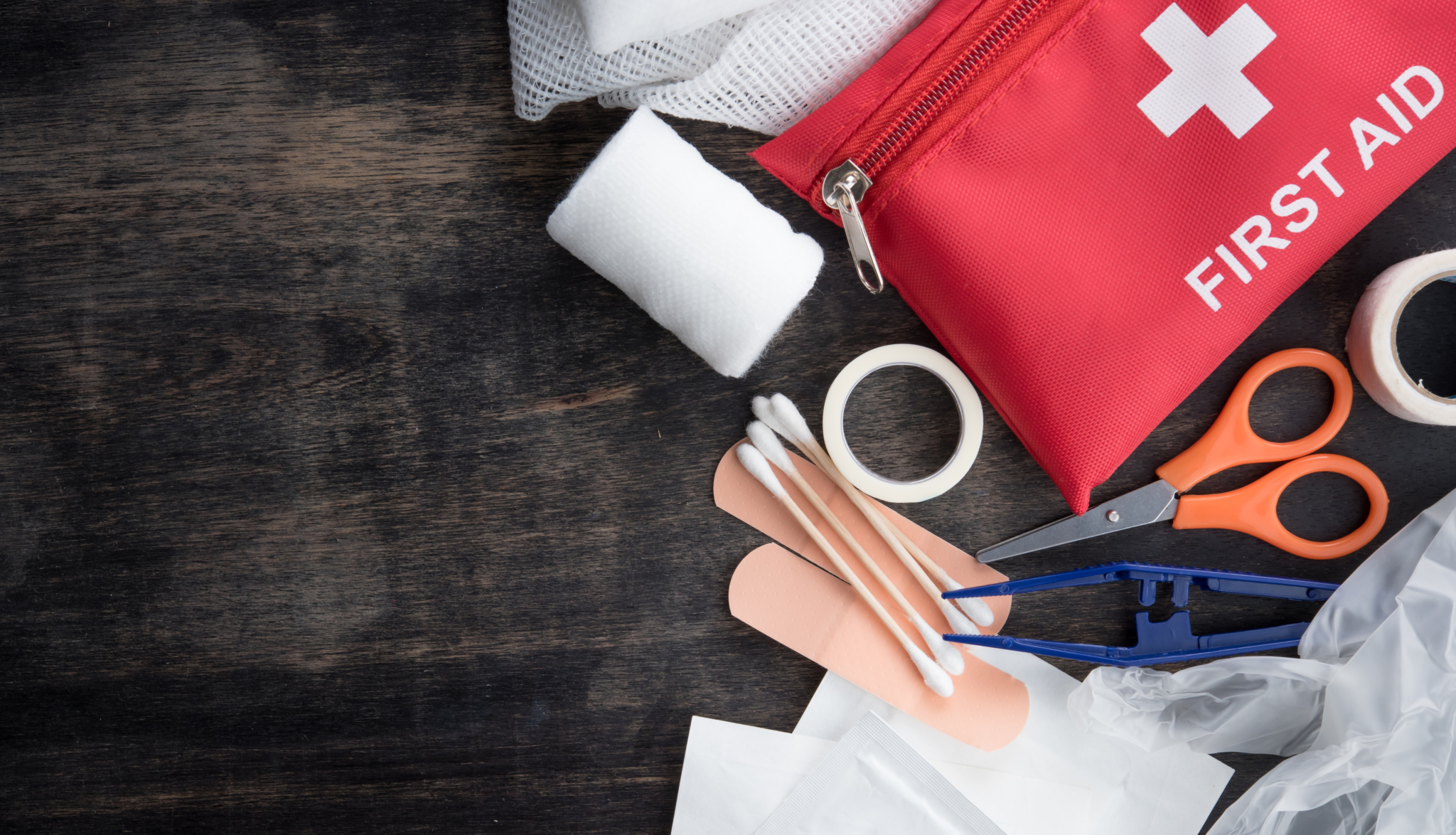
Emergency: How Can I Help?
In an emergency, the most important thing is to stay calm, even if that is difficult. There are several ways you can help: securing the accident scene, alerting emergency services, remaining at the scene as a witness, especially in the event of an accident, and of course providing first aid.
In Austria, completing a first aid course is mandatory before taking your driving test, and some schools also offer first aid training. Here you will find some tips and important information about providing first aid. Important: This is only an overview and does not replace a comprehensive first aid course. If you have never attended such a course or if it has been a long time since your last one, we strongly encourage you to check the Austrian Red Cross website for courses near you. This knowledge can help not only you, but also everyone around you, and may save lives.
Basic Measures
See also: First Aid Basic Measures – Austrian Red Cross
The Austrian Red Cross describes basic measures as all actions that can be applied regardless of the type of emergency. These may be physical (for example, raising the upper body in case of breathing difficulties) or psychological (for example, listening and providing emotional support).
Four Simple Basic Measures
- Help the person into a comfortable position, talk to them actively, and find out what they need most at that moment.
- Ensure they have enough fresh air. In enclosed spaces, this may mean opening windows or doors or removing tight clothing. Always communicate your actions before helping.
- If the person feels cold or appears cold, cover them and help prevent a drop in body temperature.
- For psychological support, the Look, Listen, Link method is recommended. This means paying attention to the situation, actively listening, and responding to the person's needs.
Even if a person is unconscious, unresponsive, or unable to react, continue speaking to them clearly and calmly. People are often still aware of their surroundings even when they cannot respond.
Making an Emergency Call
See also: Emergency Call – Austrian Red Cross
In an emergency, it is important not only to know who to call, but also what to say. While many people practice this scenario in kindergarten or school, it is always useful to refresh this knowledge as an adult.
Which Number Should I Call?
- 122: Fire Brigade
- 133: Police
- 144: Ambulance Service
- 112: European Emergency Number
- 1450: Health Advice Hotline (for health concerns that are not emergencies)
If multiple emergency services are needed, a single emergency call is sufficient. The different organizations coordinate with each other.
What Should I Say?
Emergency calls follow a simple structure. If you forget something because of stress or shock, do not worry. The dispatcher will ask all necessary questions.
Emergency Call Structure
- Where is the emergency?
Provide your location as precisely as possible (town, street name, house number, landmarks, etc.). - Who is calling?
State your name, location, and phone number for any follow-up questions. - What happened?
Briefly explain what happened and describe the current situation. Whether it is a car accident, a fall, a fire, or another emergency greatly affects the response. - How many people are affected?
Estimate how many people are injured or involved. If children are involved, make sure to mention this.
Important: Never end the call yourself. The dispatcher will end the call when all necessary information has been gathered. They can also guide you through first aid procedures and ask additional questions, so stay on the line unless instructed otherwise.
Emergency Calls for Deaf or Hard-of-Hearing People
Since telephone communication can be difficult for deaf individuals, several services and apps are available to assist.
- DEC112 App - Allows users to send text-based emergency calls. A "silent emergency call" feature is also available for crisis situations, enabling users to alert the police and transmit their location with the press of a button.
- Emergency App (Rettungsapp) - Transmits your exact location and health-related emergency information to ambulance dispatch centers throughout Austria.
- SMS and E-Mail - In some situations, deaf individuals can also use text messages or email to contact emergency services.
First Aid Basics
See also Basic First Aid to Help Manage 10 Emergencies and Emergency First Aid
Below is a brief summary of some of the most important first aid measures to refresh your knowledge. When providing first aid, emergency dispatchers can guide you over the phone, which is why making an emergency call as soon as possible and staying on the line is so important.
We would like to emphasize once again that this information does not replace a comprehensive first aid course.
More Videos demonstrating these and additional first aid techniques can be found on the Austrian Red Cross website:
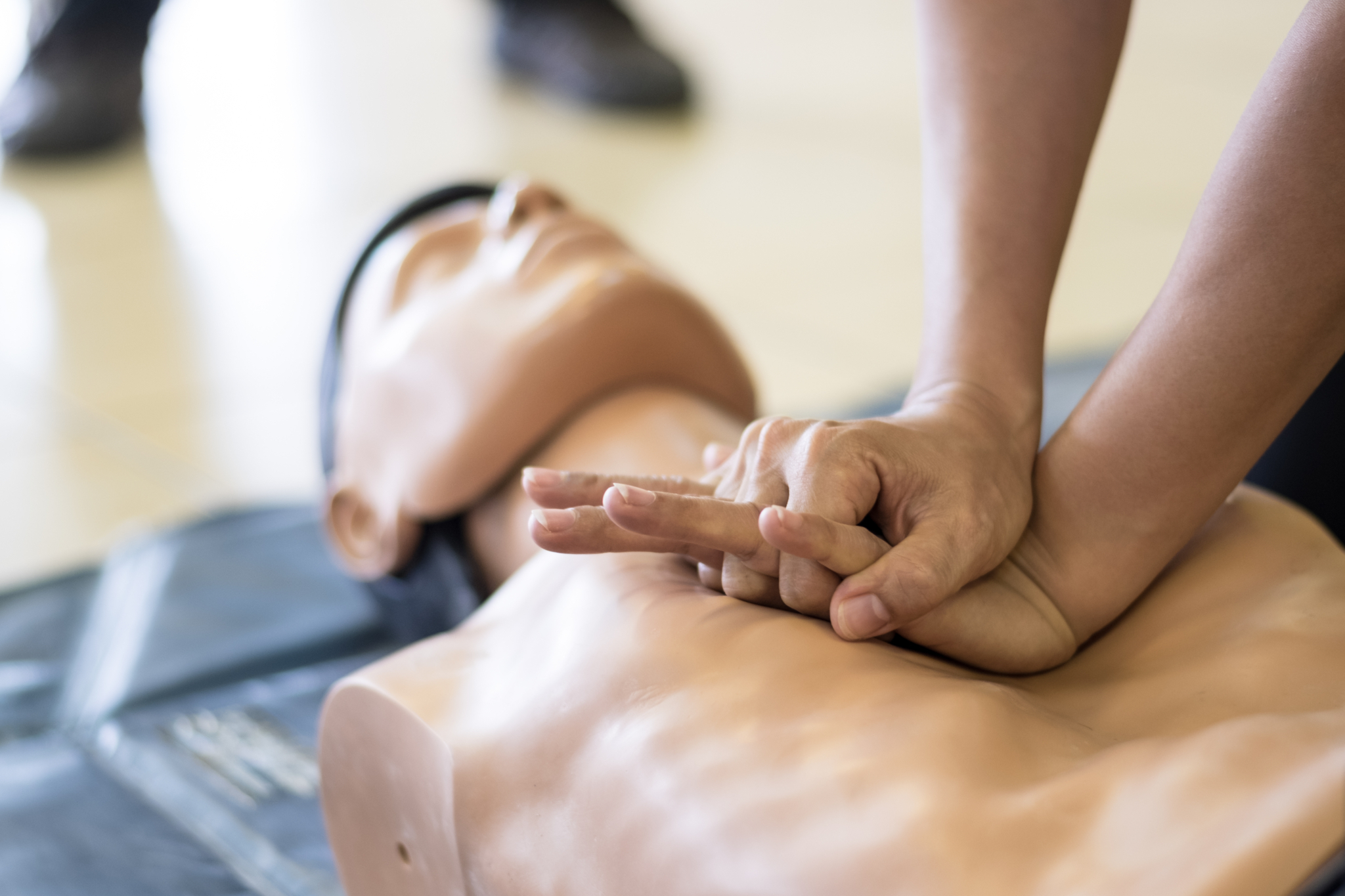
Chest Compressions (CPR)
If a person does not respond and is not breathing normally, begin chest compressions immediately.
- Place the person on a firm surface.
- Put the heel of one hand in the center of the chest and place the other hand on top.
- Keep your arms straight and press the chest down firmly 5 to 6 cm (2 to 2.5 inches).
- Compress at a rate of 100 to 120 times per minute (similar to the beat of a fast song such as Stayin' Alive or Dancing Queen).
- Continue without interruption until professional help arrives or the person shows normal signs of life.Herzdruck Massage
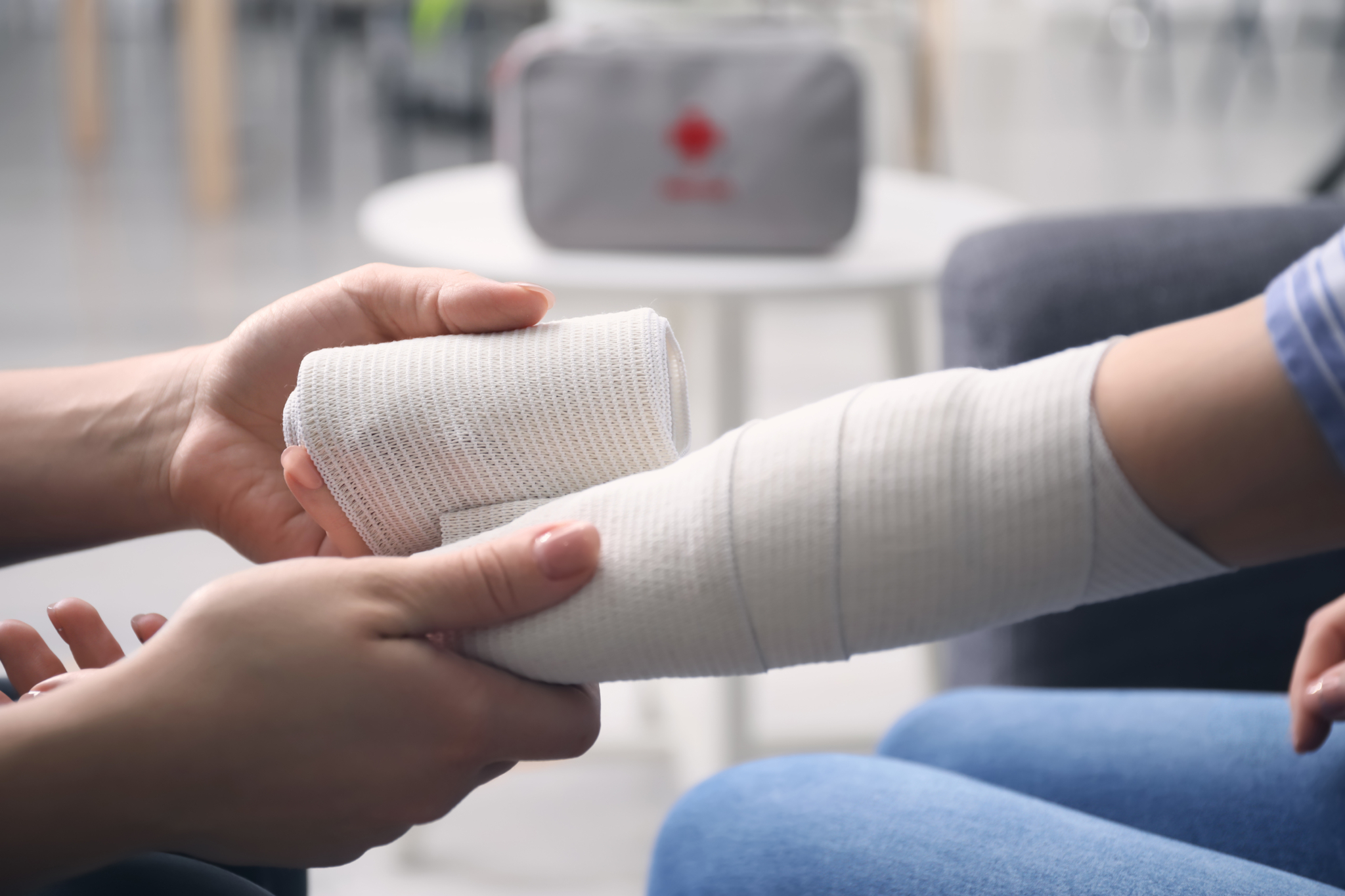
Controlling Bleeding
Severe bleeding requires immediate action.
- Cover the wound directly with a sterile dressing or a clean cloth if available.
- Apply firm pressure to the wound.
- If possible, elevate the injured body part.
- Do not remove blood-soaked dressings. Instead, place additional dressings on top.
- Call emergency services immediately if the bleeding is severe or cannot be controlled.
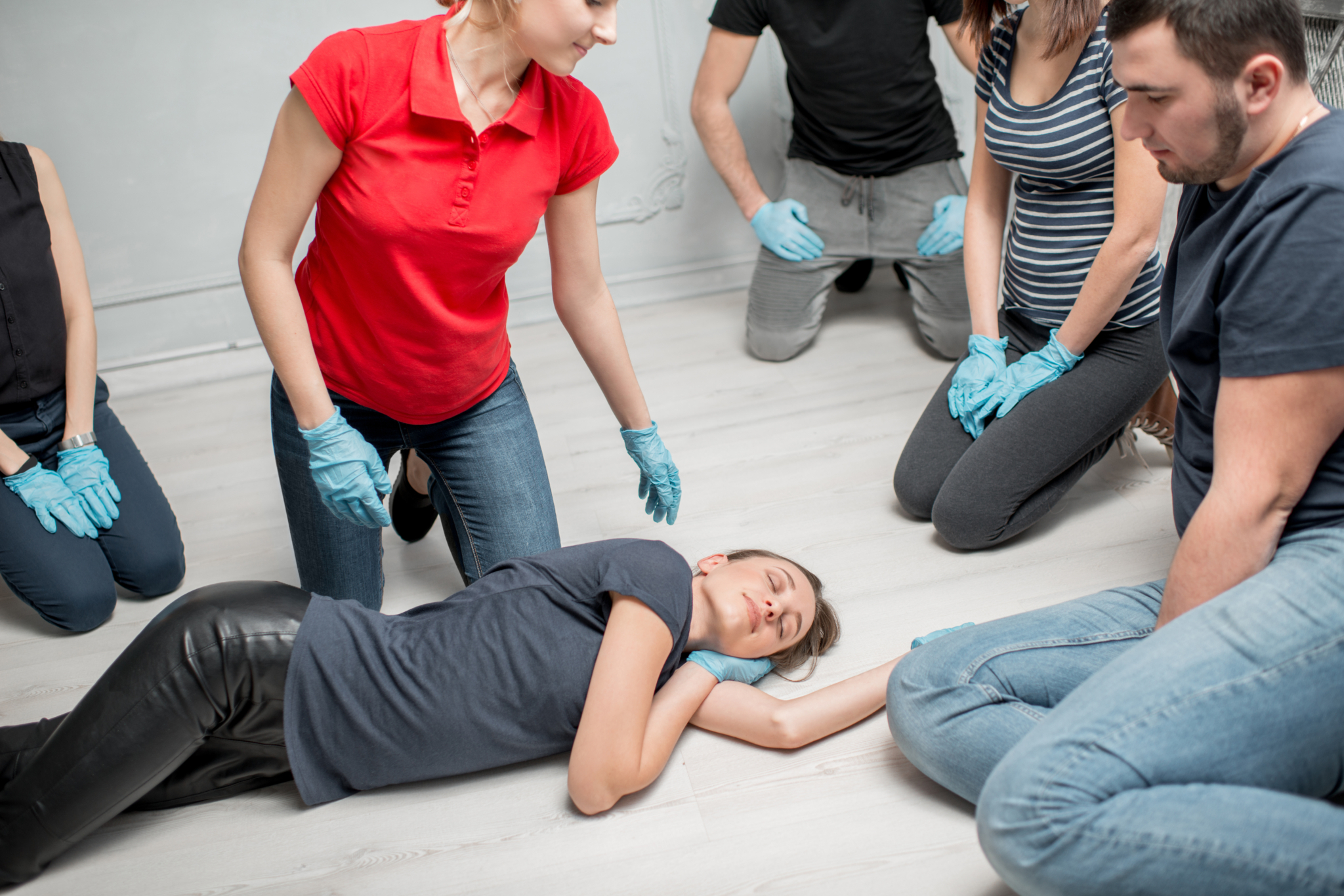
Recovery Position
The recovery position helps prevent unconscious people from choking on vomit or their own tongue.
- Only use it if the person is unconscious but breathing normally.
- Place the arm closest to you at a right angle to the body.
- Bring the far arm across the chest and hold the back of the hand against the cheek.
- Bend the far knee.
- Carefully roll the person onto their side.
- Gently tilt the head back and open the mouth so that fluids can drain.
- Monitor breathing regularly.
Helping an Unconscious Person
- Speak loudly to the person and gently shake their shoulders.
- If there is no response, check breathing for no more than 10 seconds.
- If the person is breathing normally: Place them in the recovery position and call 144.
- If the person is not breathing or not breathing normally: Call 144 immediately and begin chest compressions.
- Keep the person warm and monitor them until emergency services arrive.
- Never give food or drinks to an unconscious person.
Quick Links
I'll help you choose your study program.