Depression
What is Depression?
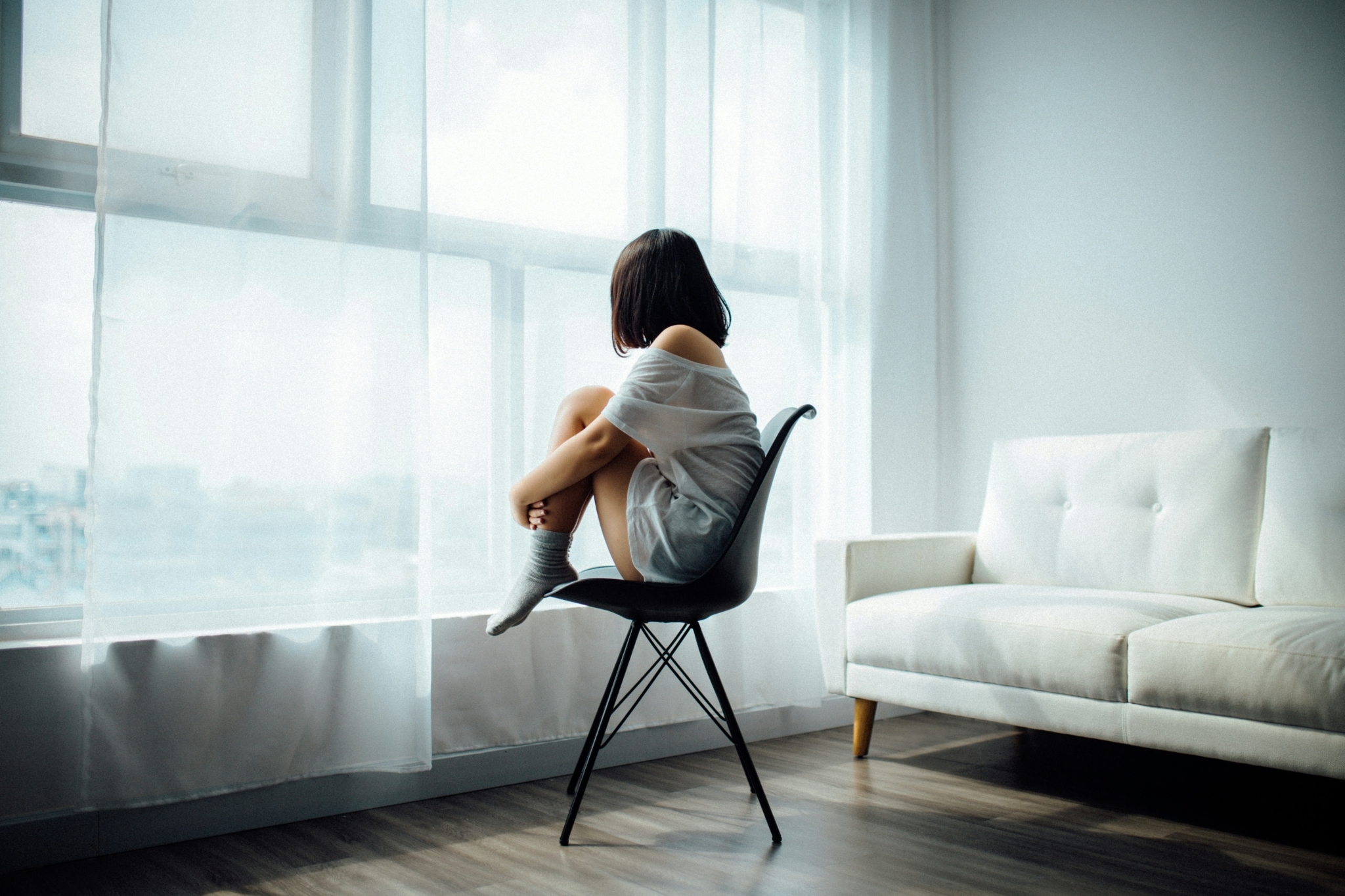
Depression is defined as a serious mental illness that can occur at any age. Those affected feel deeply depressed, lose interest in things, and experience exhaustion and a lack of motivation. The illness persists over a longer period of time and rarely improves on its own. (cf. healthline) These pages contain information about depression. If you feel that you or someone you know may be affected, you can confidently reach out to support organizations for help.
Need some Help?
At all four locations of the University of Applied Sciences Upper Austria, trained contact persons for “Mental Health First Aid” are available, who are intended to serve as the first point of contact. At Johannes Kepler University Linz (JKU), the “Psychological Student Counseling Service” which is also accessible to all FH OÖ students, is located. In addition to on-site appointments, it also offers counselling and psychological support by phone and chat.
Our “Need Some Help” brochure also lists further institutions that provide assistance with psychological (and other) concerns and problems.
To maintain your mental health, you can try to take good care of yourself. The following tips might help, which you can find here:
Seasonal Affective Disorder (SAD)
As daylight hours become shorter in autumn, many people feel tired, unmotivated, or low in mood. In some cases, this is only a temporary dip in mood, but in others it may be a form of autumn or winter depression known as seasonal affective disorder (SAD). Affected individuals often report a noticeable loss of energy and reduced performance.
Seasonal depression is a type of depression linked to changes in seasons. It typically begins in late fall or early winter and improves again in spring or summer. Symptoms can include persistent low mood, fatigue, increased sleep, changes in appetite (often craving carbohydrates), loss of interest in usual activities, and social withdrawal.
The exact causes are not fully understood, but reduced sunlight is believed to play a key role by affecting the body’s internal clock (circadian rhythm) and levels of neurotransmitters such as serotonin and melatonin. Living in regions with less winter sunlight increases the risk.
There are several ways to help improve symptoms: regular physical activity outdoors, exposure to daylight (especially in the morning), maintaining a structured daily routine, and social contact. In more persistent or severe cases, treatments such as light therapy, psychotherapy (e.g., cognitive behavioral therapy), or medication may be recommended.
If symptoms last for a longer period or become very distressing, professional support should be sought.
More information and personal accounts
- Video: "I had a Black dog, his name was depression"
- Video: "The fight against teen suicide"
- Personal account: "Breaking the Silence"
- Personal account: "I'm fine"
Quick Links
I'll help you choose your study program.