Digital systems provide noticeable relief for nursing staff in their day-to-day work.
FH study shows significant time savings and more room for personal care A real-world case study at the Liebigstraße senior care center highlights tangible benefits for both staff and residents.
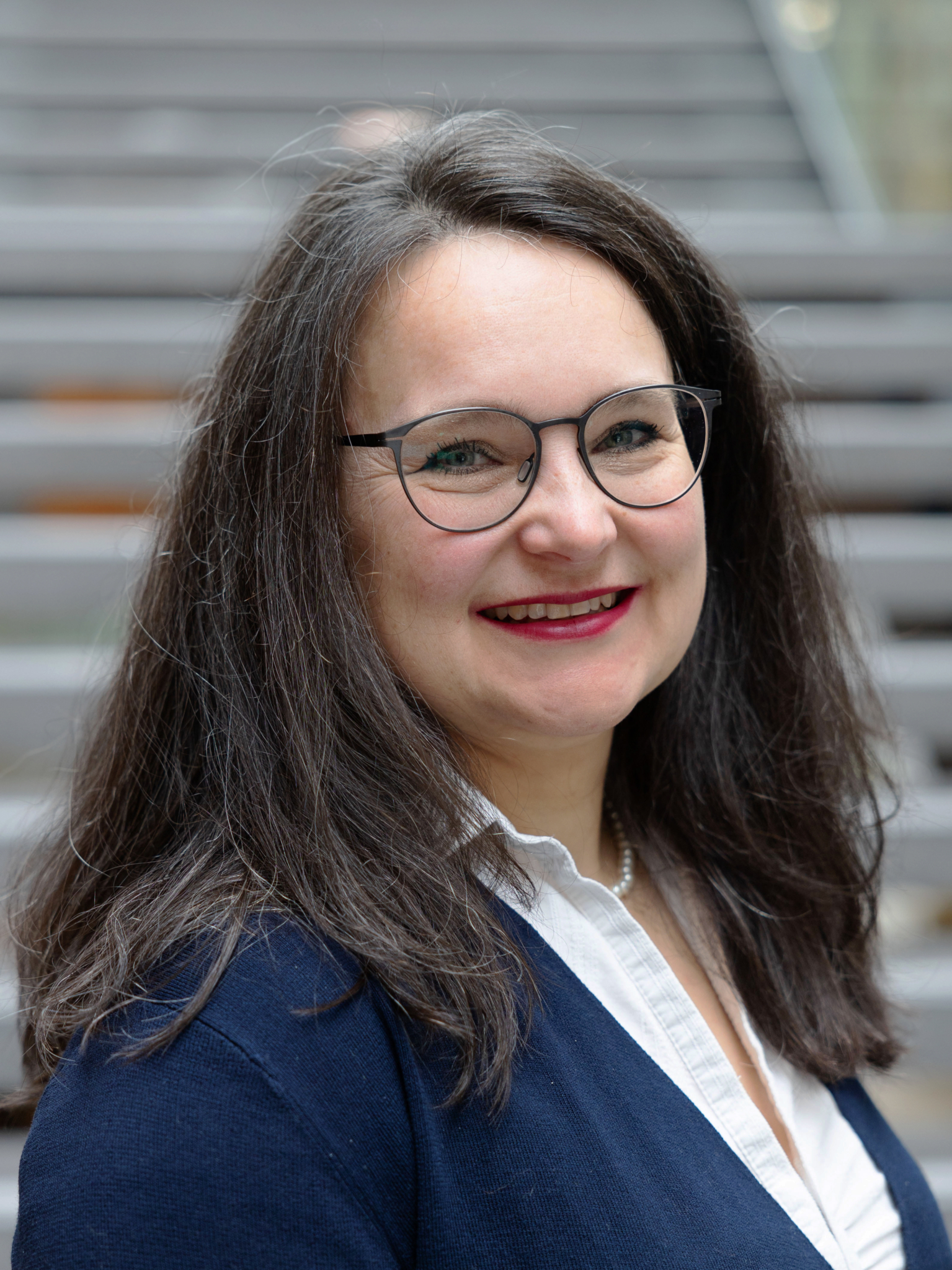
FH Professor Dr. Kränzl-Nagl, Project Lead, Social, Public and Nonprofit Management degree program, Linz Campus
Stephanie Schwarz, BSc MSSc, Research Associate, Social, Public and Nonprofit Management degree program, Linz Campus
Mag. Karin Leitner, Vice Mayor of Linz and City Councillor for Social Affairs
Mag. Robert Ritter-Kalisch, Managing Director, Seniorenzentren Linz
Photo credit: City of Linz / University of Applied Sciences Upper Austria
The City of Linz has been implementing the “Digital Nursing Home” project at the Liebigstraße senior care center since 2024. The goal is to test the use of digital technologies under real-life conditions and to analyze their potential to ease workloads and save time in everyday nursing practice. From the very beginning, the University of Applied Sciences Upper Austria has provided scientific support for the project, systematically examining its impact on workflows, quality of care, and time resources. The results now available paint a clear picture: digitalization delivers measurable relief in daily care routines and creates more time for direct resident care.
FH Professor Dr. Kränzl-Nagl, Head of the Social, Public and Nonprofit Management degree program and project lead, together with research associate Stephanie Schwarz, BSc MSS, addressed these topics at a press conference alongside Linz Vice Mayor and City Councillor for Social Affairs Mag. Karin Leitner and Mag. Robert Ritter-Kalisch, Managing Director of Seniorenzentren Linz.