International Research Collaboration Involving Partners from Steyr
“Digital Detox” in the Scientific Spotlight: Three Days Without a Smartphone Boost Well-Being and Recovery
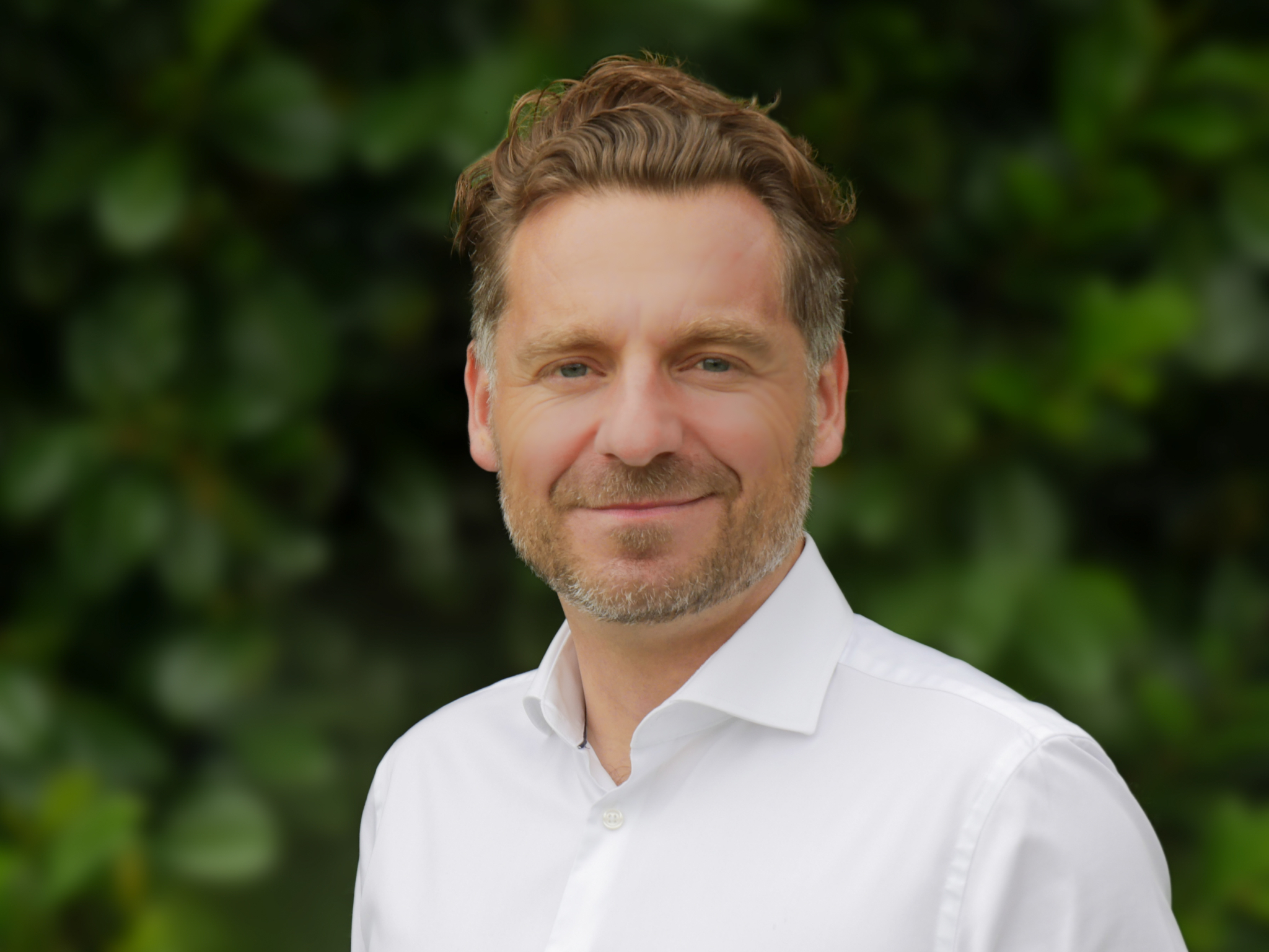
René Riedl, Head of the Master’s Degree Program in Digital Business Management, jointly offered by the University of Applied Sciences Upper Austria and Johannes Kepler University Linz. Photo credit: Kerrie Photography.
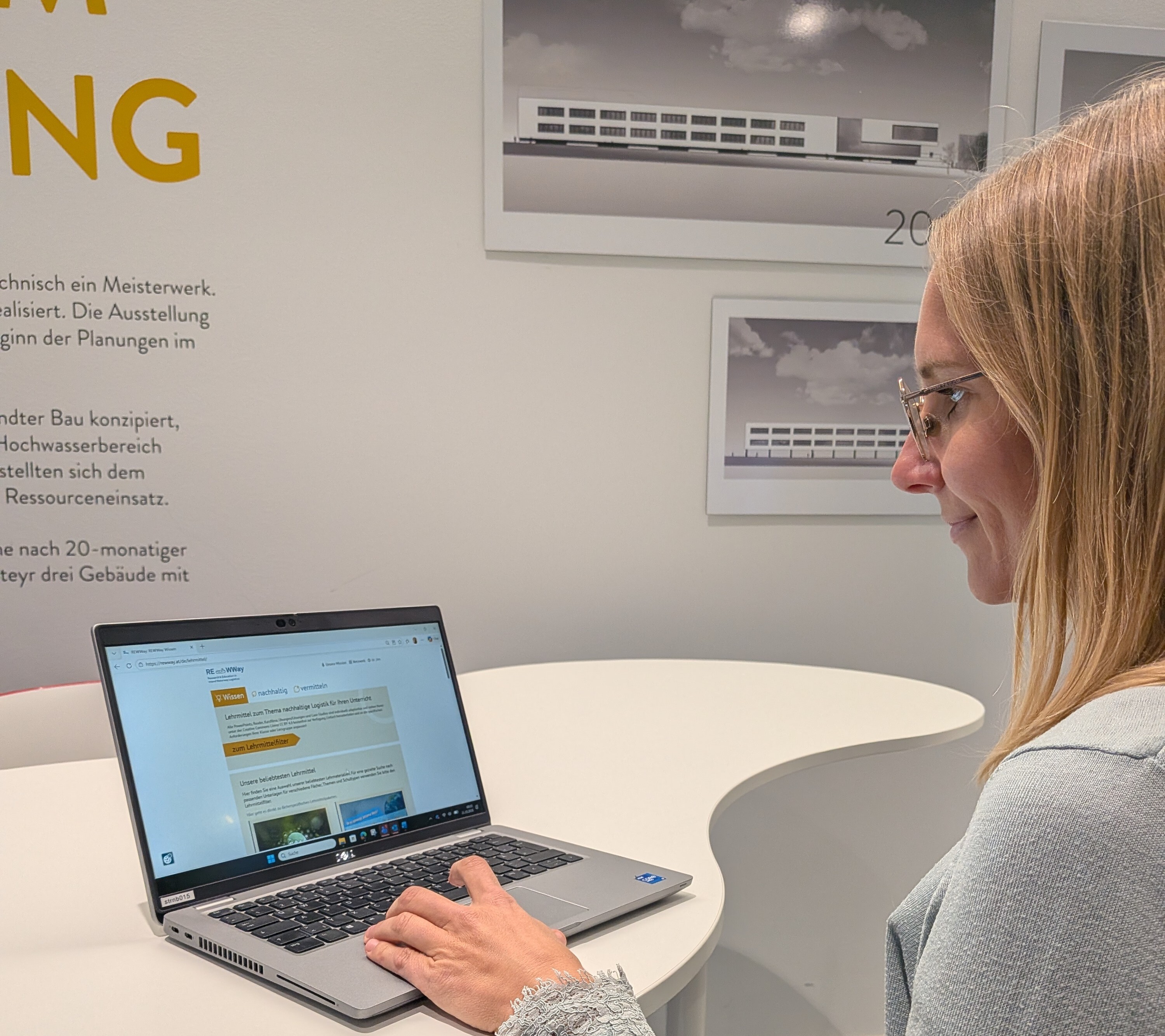
An international study involving the University of Applied Sciences Upper Austria highlights the positive effects of digital detoxes. The findings build on years of research into digital stress. As part of the study, participants spent several days “digitally fasting” in remote holiday cabins in England. The researchers employed both social science and natural science methods to evaluate the effects. Surprisingly, the skin emerged as the organ providing the clearest measurable indicators of these changes.
Constant connectivity, information overload, and the pervasive use of smartphones can take a toll on our well-being. But what happens when people deliberately disconnect from digital technologies? An international research team, including Professor René Riedl from the University of Applied Sciences Upper Austria’s Steyr Campus, set out to answer this question. The results of this multi-year research project have now been published in the prestigious scientific journal Annals of Tourism Research. The most striking finding: just three days of digital detox can significantly enhance recovery, inner calm, and interpersonal relationships.
Three Days Without a Smartphone: Measurable Benefits for Well-Being For the study, 23 participants each spent three nights in remote holiday cabins in England, abstaining from both smartphone use and internet access. Instead of digital entertainment, they focused on activities such as spending time in nature, reading, and engaging in face-to-face conversations. Researchers assessed participants’ well-being using interviews and diaries, complemented by physiological measurements. Special sensor wristbands recorded, among other indicators, the skin’s electrical conductance, which provides insights into physiological arousal and emotional tension.
The findings suggest that stepping away from digital technologies can initially feel unfamiliar and even challenging. Some participants showed increased physiological arousal shortly after disconnecting from their smartphones. As the retreat progressed, however, many reported feeling calmer, more attentive, and more present in their interactions with others. The physiological data supported these experiences. Researchers observed fewer skin conductance responses after the digital detox than before, indicating reduced levels of activation and stress. Several participants also expressed a desire to make lasting changes to their digital habits
Combining Surveys and Physiological Measurements “Our findings show that digital detox is more than just a short break from smartphones. When constant digital distractions are removed, people gain space for recovery, mindful awareness, and meaningful personal interactions. What makes this study particularly compelling is that we were able to examine these effects not only through participants’ own accounts, but also through physiological measurements,” says René Riedl, Head of the Master’s Degree Program in Digital Business Management, jointly offered by the University of Applied Sciences Upper AustriaandJohannes Kepler University Linz.
Building on Long-Term Research into Digital Stress The publication is the result of a long-term research collaboration between René Riedland researchers from the United Kingdom, particularly from the University of Greenwichand the University of East Anglia. The current study also brought together an international team of scholars from China, Sweden, andNew Zealand.
The study builds on René Riedl’s long-standing research into the impact of digital technologies on individuals. As part of a research project funded by the Austrian Science Fund (FWF), he previously examined technostress in depth, focusing on the strains and challenges associated with the use of digital technologies. In 2020, he published the book Digital Stress: How It Harms Us and What We Can Do About It with Linde Verlag, followed by a second edition in 2021.
The international digital detox research project attracted media attention at an early stage. In October 2022, the Austrian public broadcaster ORF featured the topic in its current affairs program Thema, exploring the question at the heart of René Riedl’s research: how periods of digital disconnection affect people.
“While our earlier research primarily focused on how digital stress develops and what consequences it has, the digital detox project examines how people can recover from digital burdens,” says Riedl. “Our goal is to generate scientifically robust insights that support a healthier and more sustainable relationship with digital technologies.”
More information about the “Unplugged” experience featured in the study is available athttps://unplugged.rest/.
Original Publication Cai, W., McKenna, B., Li, S., Cohen, S., Waizenegger, L., & Riedl, R. (2026). Well-being in digital-free tourism: A mixed-methods rhythmanalysis. Annals of Tourism Research, 121, 104307.