The FH Upper Austria degree program Applied Technologies for Medical Diagnostics is driving innovation at the intersection of medicine andengineering.
The master’s program provides advanced technical training for radiologic technologists and biomedical analysts
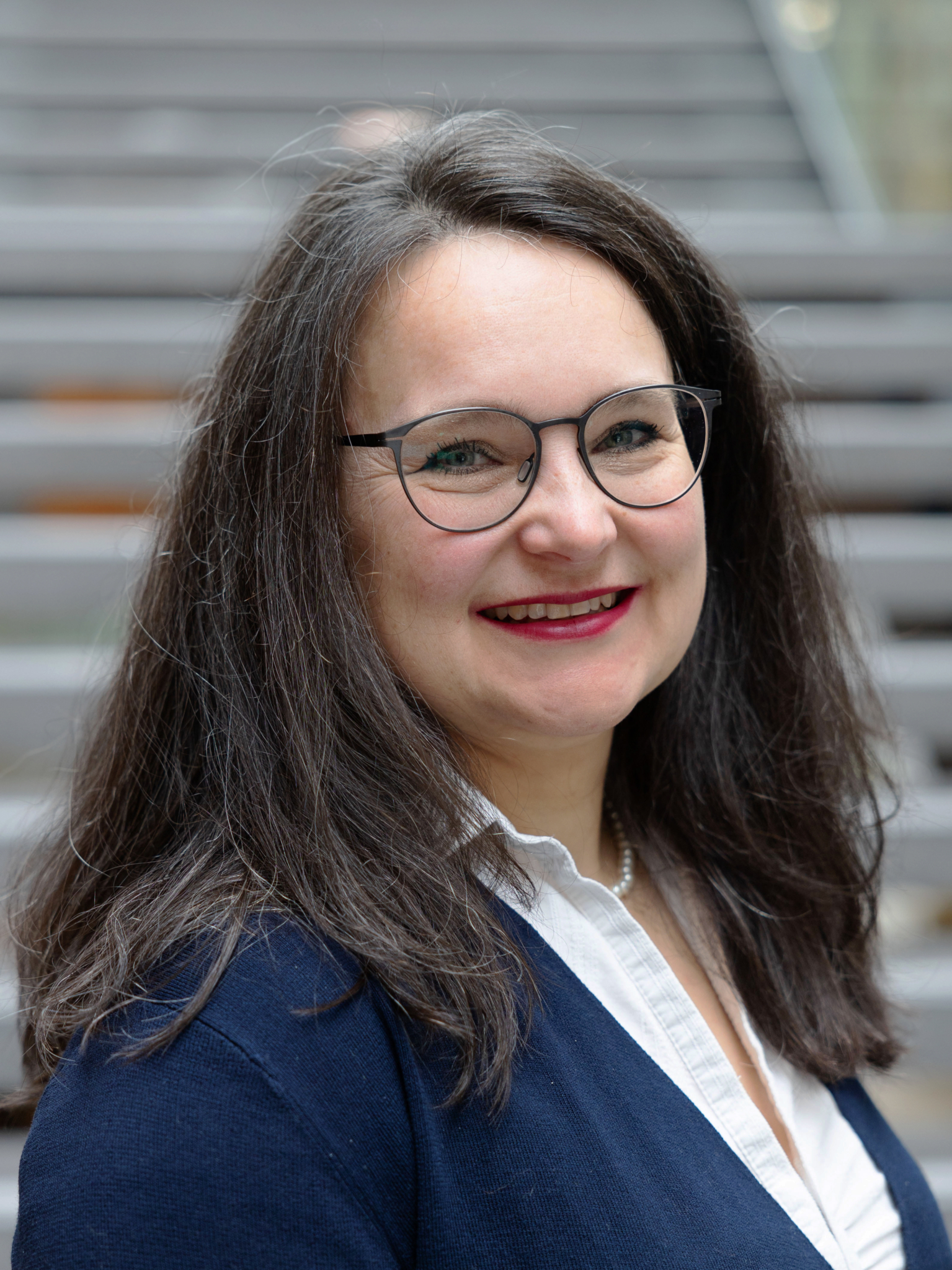
Stefan Augdoppler perfectly combines his work as a radiologic technologist at Vienna General Hospital (AKH) with the ATMD master’s program at FH Upper Austria in Linz. Photo credit: FH OÖ
The two medical-technical health professions – radiologic technology (RT) and biomedical analytics (BMA) – share a strong connection to technology. Without medical-technical equipment, neither imaging from inside the human body nor laboratory analyses would be possible. From the very beginning, Stefan Augdoppler was interested in both the medical and the technical side of the field. After graduating from HTL Neufelden in Upper Austria, he studied Radiologic Technology in Vienna, where he now works at Vienna General Hospital (AKH). To strengthen his technical focus even further, he began the joint master’s program Applied Technologies for Medical Diagnostics (ATMD) at FH Upper Austria and the University of Applied Health Sciences Upper Austria in Linz one year after completing his bachelor’s degree
ATMD is offered as a part‑time program, and most students are employed alongside their studies. “Balancing my studies with my work in the cardiac catheterization lab requires a high level of organization and forward planning,” says Stefan Augdoppler. His work schedule is set three months in advance. Occasional scheduling conflicts between his job and classes could almost always be resolved either by swapping shifts or through individually arranged compensatory agreements with the lecturers. “Through this, I learned that efficient time management and clear communication are essential skills for successfully completing a part‑time degree,” Augdoppler says about his newly gained experience.
Tackling the Challenges of Work & Study as a Team Is the regular commute between his workplace in Vienna and his study location in Linz a problem? “Since I commute between Vienna and Linz on a regular basis, I consistently use the train rides for my studies – whether for studying or working on project assignments,” says the ATMD student, who has learned to use this time effectively.
The program brings together three disciplines – in addition to RT and BMA, it also includes the engineering field of medical technology. This makes the academic requirements very diverse but also demanding, Augdoppler explains: “However, through close teamwork and the exchange with colleagues from the different specializations, we were able to successfully overcome these challenges.”
He is now working on his master’s project and thesis within an interdisciplinary research team that brings together expertise from FH Upper Austria, the University of Natural Resources and Life Sciences Vienna (BOKU), and several Ludwig Boltzmann Institutes. Working with these institutions now enables him “to address scientific questions in a structured way, apply project‑related methods in depth, and effectively combine expertise from different disciplines.”
What Is Behind ATMD? “The joint master’s degree program Applied Technologies for Medical Diagnostics offered by FH Upper Austria and the University of Applied Health Sciences Upper Austria opens up a new professional field at the intersection of technology, natural sciences, and technology-oriented health professions,” explain the two program co-directors, FH‑Prof. Martin Zauner of FH Upper Austria and Alice Reiter of the University of Applied Health Sciences Upper Austria. ATMD thus closes the gap between development engineeringand the application of medical devices.
The program provides solid technical knowledge for medical diagnostics, which is essential for project planning and product management. Graduates apply their expertise in quality and risk management, clinical evaluations and performance assessments, or in medical device development. Their skills are also needed when new products are placed on the market, in market surveillance, or in in-house applications of diagnostic medical devices. Working with regulations is taught through practice-oriented tasks.
Leveraging Synergies Between Work and Study Classes are usually held all day on Thursdays and Fridays, plus two intensive block weeks per semester. “Thanks to the program’s schedule and didactic concept, it is possible to combine the master’s program with a reduced work schedule,” says FH‑Prof. Martin Zauner. As another advantage, he highlights that students can leverage synergies between their relevant work experience and their project and master’s thesis work.
This week, FH Upper Austria is offering information about its master’s programs and how to advance your career through a master’s degree during its Master Night events at all four faculties, starting today. You can find all dates here: Master Night | FH OÖ.